

The growing focus on sustainability in the construction industry is profoundly transforming the way building materials are designed and manufactured. In this context, the CAM (Minimum Environmental Criteria) represent one of the most important tools to orient the market towards solutions with a lower environmental impact.
With the regulatory updates introduced in recent years and the entry into force of the new application provisions, 2025 also marks an important step for the concrete sector, which is called upon to adapt to increasingly stringent requirements in terms of circular economy and emission reduction.
The role of MECs in public procurement
The Minimum Environmental Criteria are environmental requirements defined by the Ministry of the Environment and mandatory in public procurement for the design, construction and management of buildings. Their aim is to promote a more efficient use of resources, encourage the use of recycled materials and reduce the environmental impact of the entire life cycle of the works.
In the construction industry, CAMs directly influence the choice of materials, imposing specific criteria for products such as concrete, steel, insulation, and building components.
The requirement of recycled material content in concrete
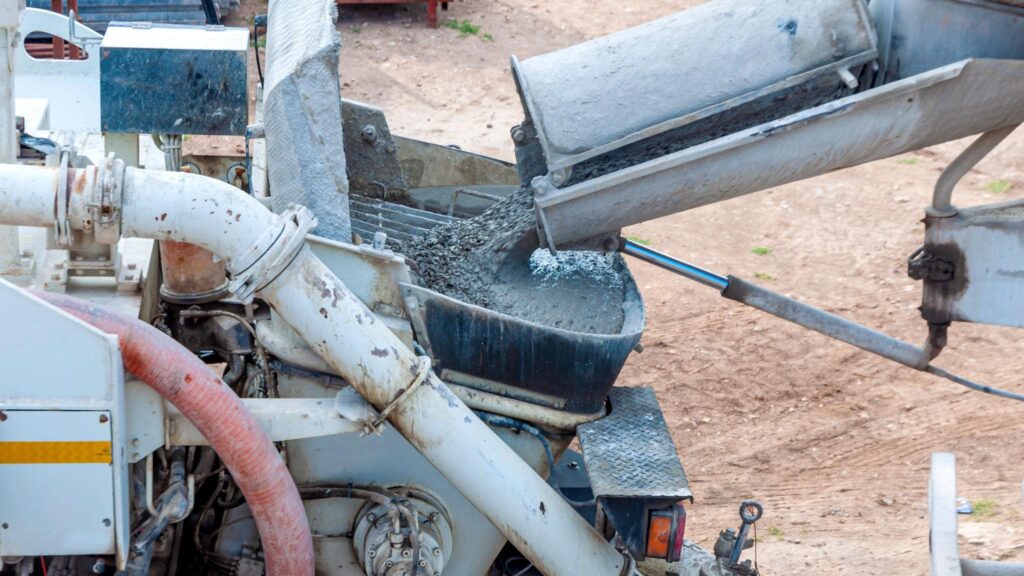
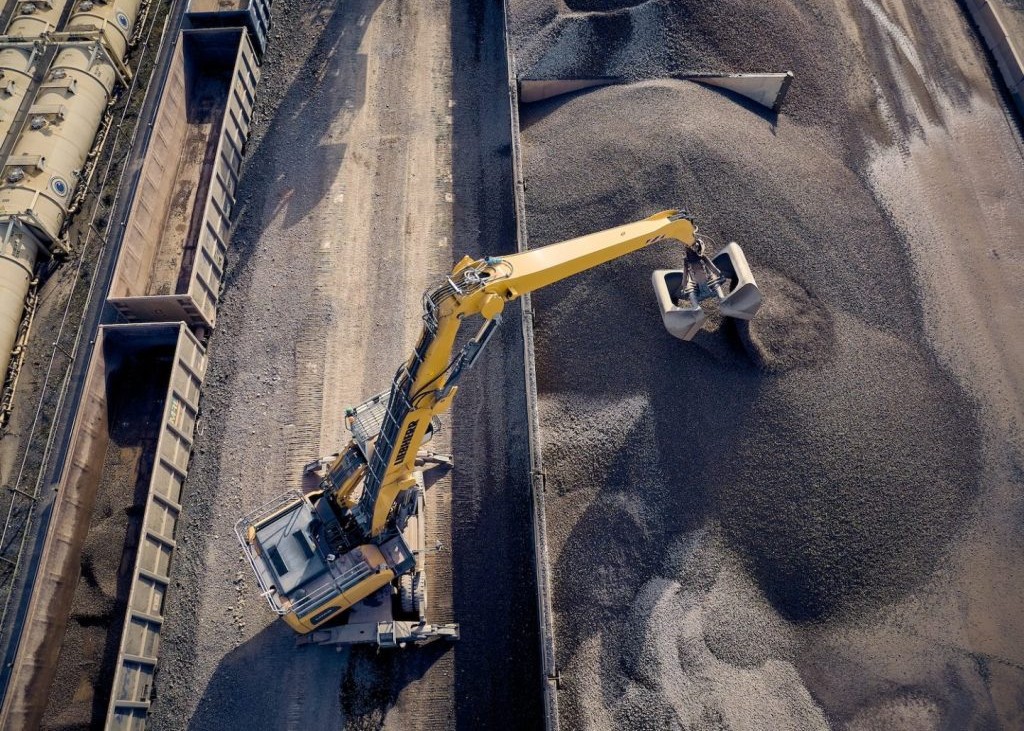
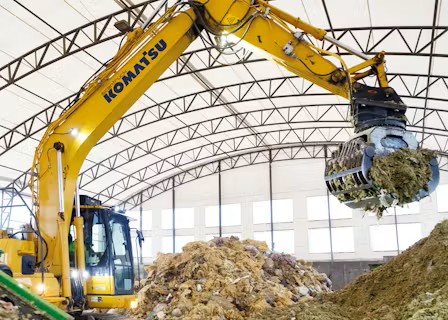
One of the most significant innovations concerns the minimum content of recycled or recovered materials in concrete used in public works. The new indications require that concrete, whether ready-mix or produced on site, contains a minimum percentage of recycled or recovered material equal to at least 5% by weight of the total product, net of water.
This share can be achieved through the use of different types of materials, including:
- Recycled aggregates from demolitions
- Industrial by-products used as conglomerate components
- Materials recovered from the construction supply chain
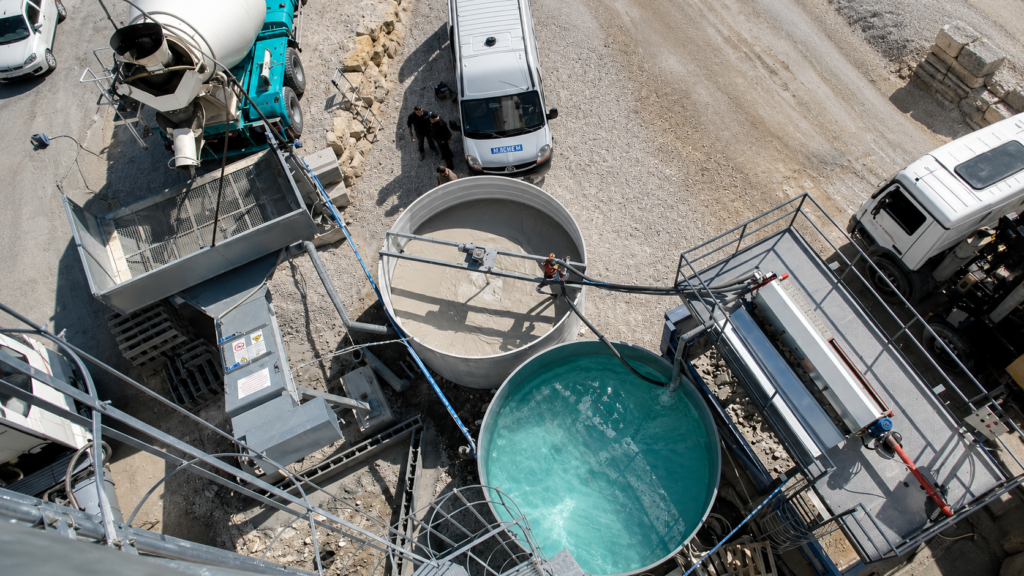
The aim is to encourage the integration of circular economy principles into concrete production, while reducing the consumption of natural raw materials.
Verification of CAM compliance
In order to be used in public procurement, concrete will have to demonstrate compliance with CAM requirements through appropriate technical documentation. The tools used for verification include:
- Manufacturer’s Claims on Recycled Content
- Product certifications
- Technical documentation attached to the project specifications
The traceability of the materials used therefore becomes a central element, requiring manufacturers to have more structured control systems throughout the supply chain.
Operational impacts for concrete producers
For concrete producers, adapting to CAM has several operational implications. Among the main ones:
- Review mix designs to incorporate recycled materials
- Qualification of the new raw materials used in the mixture
- Control of the mechanical performance and durability of concrete
- Management of technical documentation required for CAM compliance
These changes require an increasingly integrated approach between material design, quality control and sustainability management.
A transition to concrete with a lower environmental impact
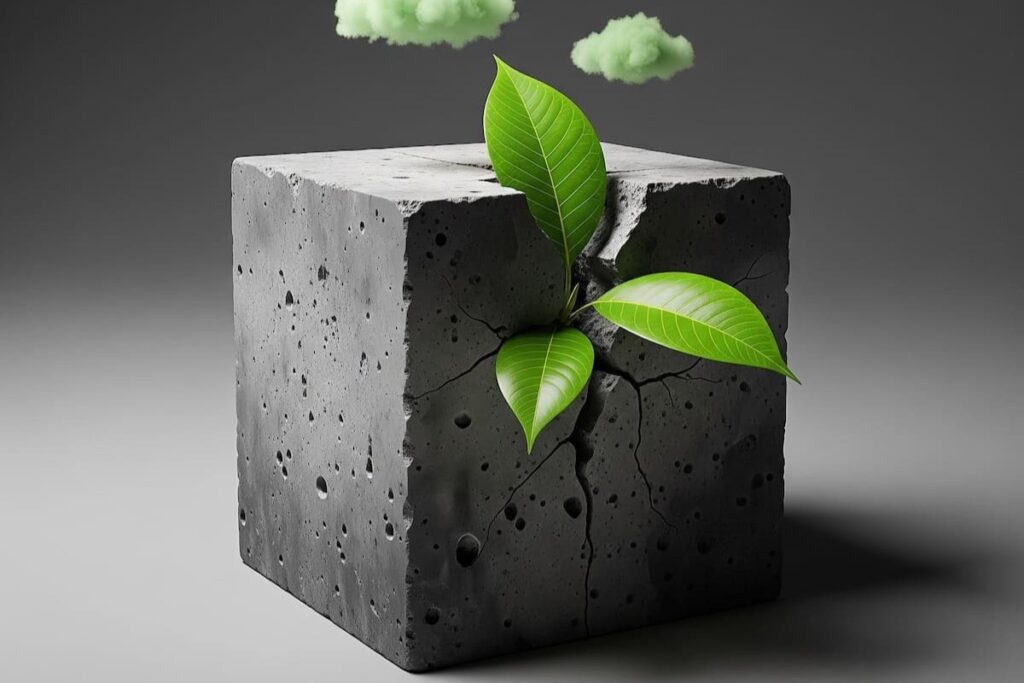
The introduction of the new CAM requirements represents a further step towards the spread of sustainable building materials. In the case of concrete, this means promoting solutions that combine high technical performance with a greater focus on reducing environmental impact.
For companies in the supply chain, this evolution represents both a challenge and an opportunity: the ability to develop products that comply with environmental requirements becomes an increasingly strategic element to compete in the public works market. In this scenario, technical support in the evaluation of materials, in the verification of regulatory compliance and in the analysis of environmental performance becomes essential to accompany the sector towards more sustainable production models.
The role of concrete admixtures in MECs
On the path towards more sustainable construction, concrete admixtures are taking on an increasingly strategic role in complying with the Minimum Environmental Criteria applied to public procurement. Although they are used in small percentages compared to other concrete components, admixtures significantly improve the performance of the material, indirectly contributing to the achievement of the environmental objectives set by the CAM.
How admixtures contribute to the sustainability of concrete
In particular, additives make it possible to:
- Reduce cement content in mixtures while maintaining required mechanical performance
- Improve the workability of concrete also with the use of recycled aggregates
- Increase the durability of structures, extending their useful life
- Optimize the water/cement ratio, reducing resource consumption
These aspects are particularly relevant in the context of CAMs, which promote the efficient use of raw materials, the integration of recycled materials and the reduction of the environmental impact of construction products.
Thanks to EKAN’s new generation additives, it is possible to design high-performance concretes even when recycled materials or industrial by-products are used, thus promoting the application of circular economy principles in the construction sector. In this scenario, additives are not only a technological component of the mixture, but become a key tool for developing concrete that complies with CAMs: more performing, durable and aligned with the environmental requirements of the market and regulations.