


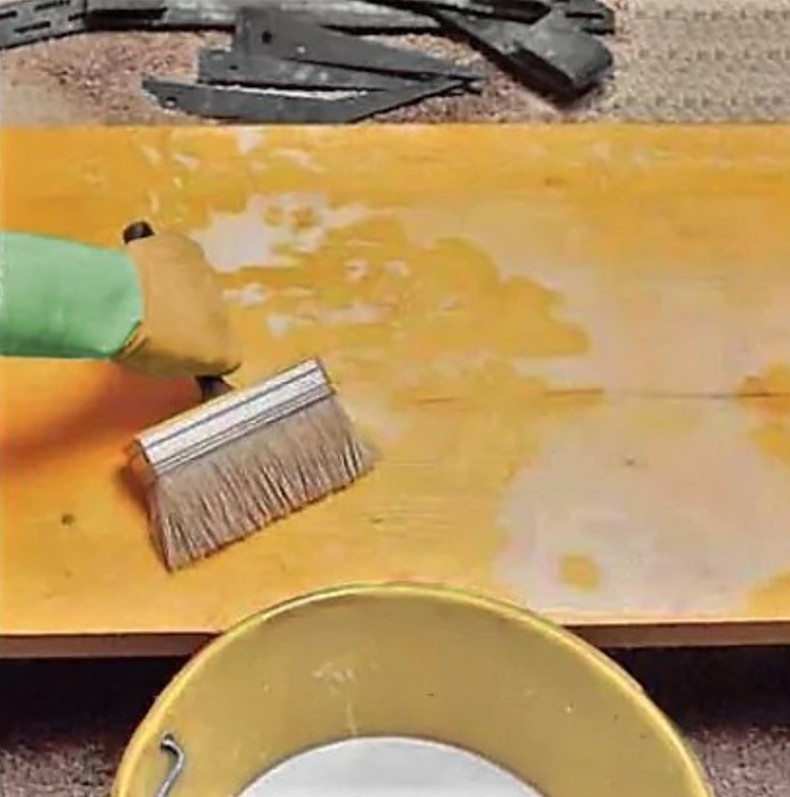
Concrete release agents are essential products to prevent fresh concrete from adhering to the formwork (or formwork) during the casting and curing phase.
The type of release agent to be used depends on the material of the formwork: wood or metal.
Function of release agents
- Facilitate the removal of the formwork.
- Preserve the surface of the jet (avoid tears, bubbles, stains).
- Extend the service life of formwork.
- Reduce cleaning and maintenance time.
Release agents for wooden formwork
Wood is porous and absorbs the moisture of concrete, so you need a release agent that:
- You penetrate the wood and isolate it from moisture.
- Create a protective film without making the surface slippery in excess.
Recommended types:
- Oil-based release agents (vegetable or mineral): they penetrate the wood, excellent release power.
- Emulsifiable release agents in water: ecological and less toxic, they must be shaken before use.
- Disarming agents with impregnating effect: protective for the wood itself.
Ideal features:
- High viscosity to adhere well to the surface.
- Long-lasting non-stick effect.
- No staining effect on concrete.

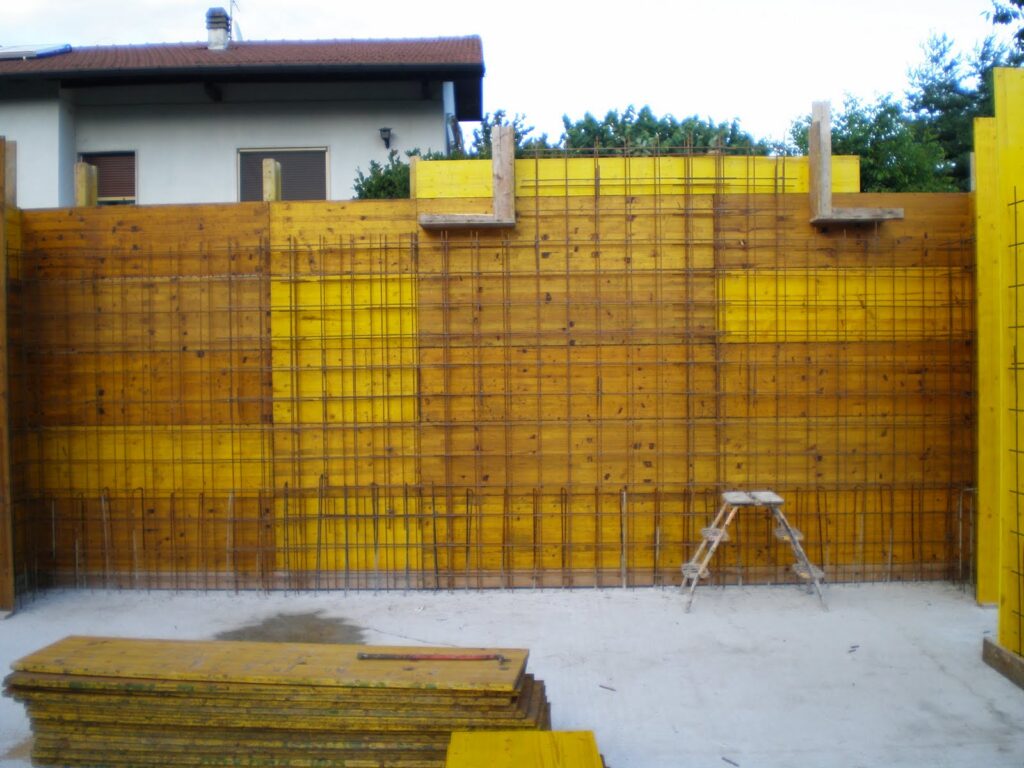
Release agents for metal formwork
Metal does not absorb like wood, but it tends to retain concrete by surface adhesion. The disarming agent must:
- Create a thin protective film.
- Withstand high temperatures (especially in rapid cycles).
Recommended types:
- High-yield synthetic or chemical release agents .
- Reactive release agents: they chemically react with fresh concrete to form a release film.
Ideal features:
- Low viscosity for even spreading.
- High thermal and mechanical resistance.
- Do not leave any oily residue or stains.
Main differences between release agents for wooden and metal formwork
| Feature | Wooden formwork | Metal formwork |
| Absorption | High (impregnation required) | None (thin film needed) |
| Type of release agent | Oily or emulsifiable | Chemical or synthetic |
| Recommended viscosity | Highest | Lowest |
| Heat resistance | Non-critical | Very important |
- Uniform application: with spray, brush or roller.
- Do not overdo it: too much can leave stains or compromise the adhesion of subsequent coatings.
- Cleaning of formwork: always clean before application.
- Choice of release agent: also evaluate the effect on the aesthetic result of the casting (visible structures).