

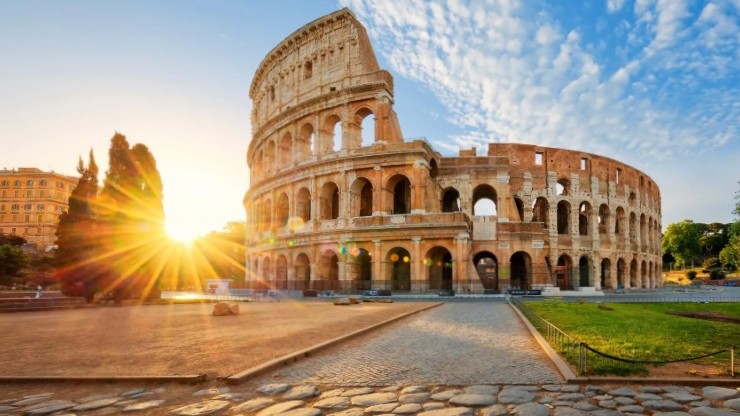
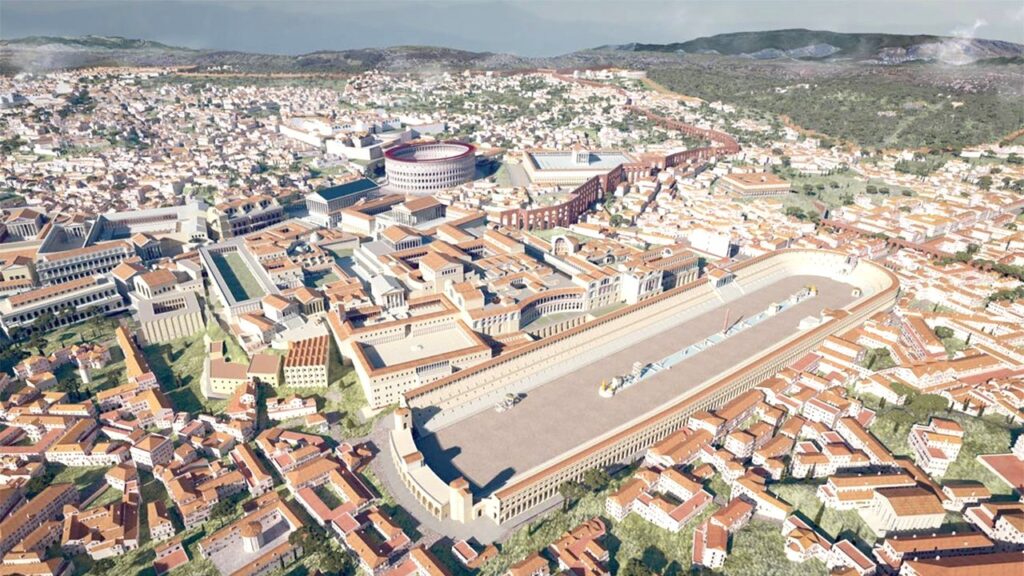
Concrete has accompanied human history for over two thousand years. From the extraordinary works of ancient Rome — the Colosseum, the Pantheon — to the most modern contemporary infrastructures, this material has been able to evolve, adapt and improve, while maintaining its centrality in the world of construction.
The origins: Roman concrete as a starting point
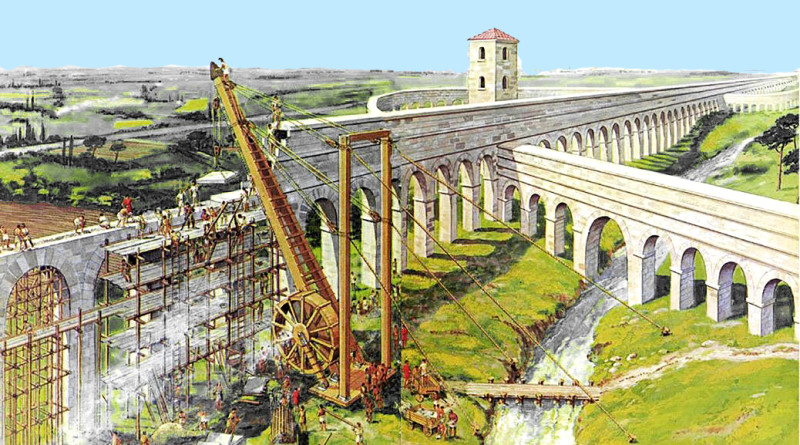
The ancient Romans had already sensed its potential, developing mixtures based on lime and pozzolan capable of resisting over the centuries. Structures such as the Pantheon, with its concrete dome still intact after almost two thousand years, testify to the effectiveness of those intuitions. That technical heritage represented the starting point of a path of continuous innovation that today sees concrete as the protagonist of increasingly high-performance, sustainable and technologically advanced solutions.
Self-compacting concrete (SCC): superior performance for modern construction
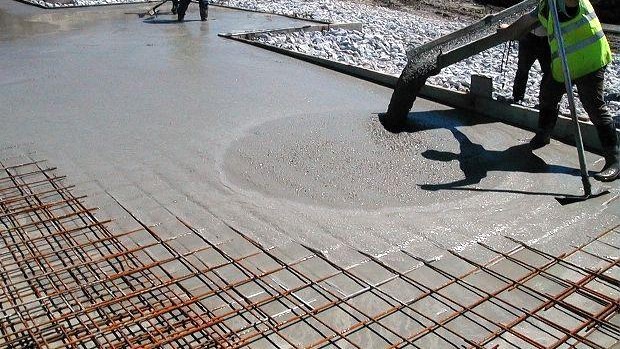
Over the past few decades, research and development in the field of concrete admixtures has led to the emergence of high-performance materials, including self-compacting concrete (SCC). Thanks to its ability to flow and compact autonomously — without the need for mechanical vibration — the SCC offers concrete and measurable benefits:
- Superior casting quality, with elimination of voids and surface defects
- Better surface finish, without additional machining
- Increased durability of structures in the long term
- Reduction of installation times and labor costs
- Noise abatement on site, with benefits for operators and the urban context
- Reduced risk for operators, thanks to the elimination of vibration operations
Sustainability and innovation: the role of concrete admixtures
The evolution of concrete is not only about mechanical performance, but also embraces environmental sustainability. The use of advanced additives — such as fluidizers, superplasticizers, hyperplasticizers and accelerators — together with the use of recycled materials and optimized formulations, today makes it possible to:
- Significantly reduce the environmental impact of concrete production
- Improve efficiency in the use of resources, including kneading water
- Responding to the needs of increasingly green and future-oriented construction
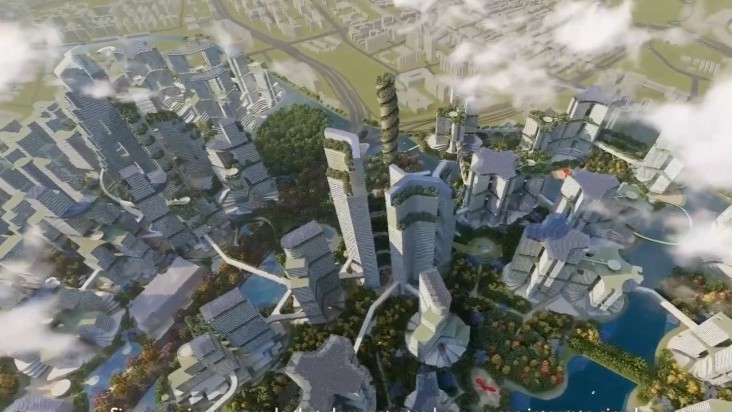
In this scenario, innovation does not erase tradition, but enhances and amplifies it. Concrete remains a “timeless” material, capable of combining the solidity of the past with the technologies of the present.
EKAN: concrete admixtures at the service of innovation
Just as it happened in ancient Rome, the continuous evolution of concrete is made possible by constant research into materials and chemical formulations. EKAN develops and manufactures admixtures for concrete and cement — accelerators, retardants, fluidizers, superplasticizers, hyperplasticizers and release agents — to support professionals, companies and concrete batching plants in the construction of increasingly high-performance, durable and sustainable structures.
An evolution that, jet after jet, continues to shape the urban and infrastructural landscape of our time.