

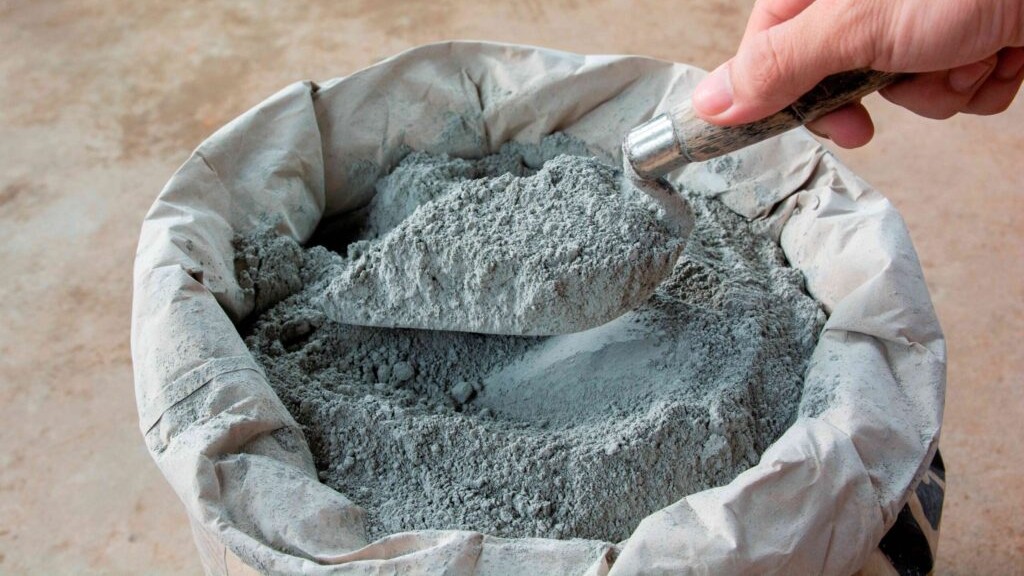
Cement is one of the most widely used building materials in the world, essential for the construction industry and for the construction of infrastructure. But what exactly is concrete? It is a chemical binder, mainly based on limestone and clay, which, when mixed with water and aggregates, forms a solid and resistant paste.
Cement production is a complex process that involves three different phases:
- First, the raw materials are extracted and crushed.
- Subsequently, they are fired in kilns at high temperatures (about 1400-1600°C) to form clinker, the main component of cement.
- Finally, the clinker is ground together with gypsum and other materials to obtain the final product.
However, cement production is also a major source of CO2 emissions globally.
With growing awareness of the climate crisis, the industry is looking to adopt more sustainable practices. Today, many companies are investing in innovative technologies such as the use of alternative materials, recycling and CO2 capture.
In addition, eco-friendly cement, which significantly reduces emissions during production, is gaining traction.
The future of cement looks promising, with a growing focus on sustainability and innovation. In a world that demands more efficient and sustainable buildings, concrete is adapting to new challenges, aiming to reduce its environmental impact and contribute to a greener future. The challenge will be to find a balance between the global demand for construction and the need to protect our planet.
Cement production is evolving thanks to the adoption of several innovative technologies to reduce environmental impact. Here are some of the most promising:
- Carbon capture and storage (CCS): This technology captures the CO2 emissions produced during combustion and stores them in underground geological formations, preventing them from reaching the atmosphere.
- Use of alternative materials: Materials such as fly ash, slag and industrial residues are being explored, which can replace some of the clinker in cement, thus reducing CO2 emissions.
- Low-emission cement: Technologies such as lime-based cement, which requires less energy to produce than traditional Portland cement, are gaining attention.
- Renewable energy production processes: Integrating renewable energy sources, such as solar and wind, into production processes can help reduce the use of fossil fuels.
- Automation and digitalization technologies: The use of advanced monitoring and control systems can optimize production processes, improving energy efficiency and reducing waste.
- High-performance cement production: Developing specialty cements that offer greater durability and strength can reduce the need for repairs and replacements over time, contributing to a smaller overall carbon footprint.
These innovations represent important steps towards a more sustainable cement sector, capable of meeting the environmental challenges of the future.
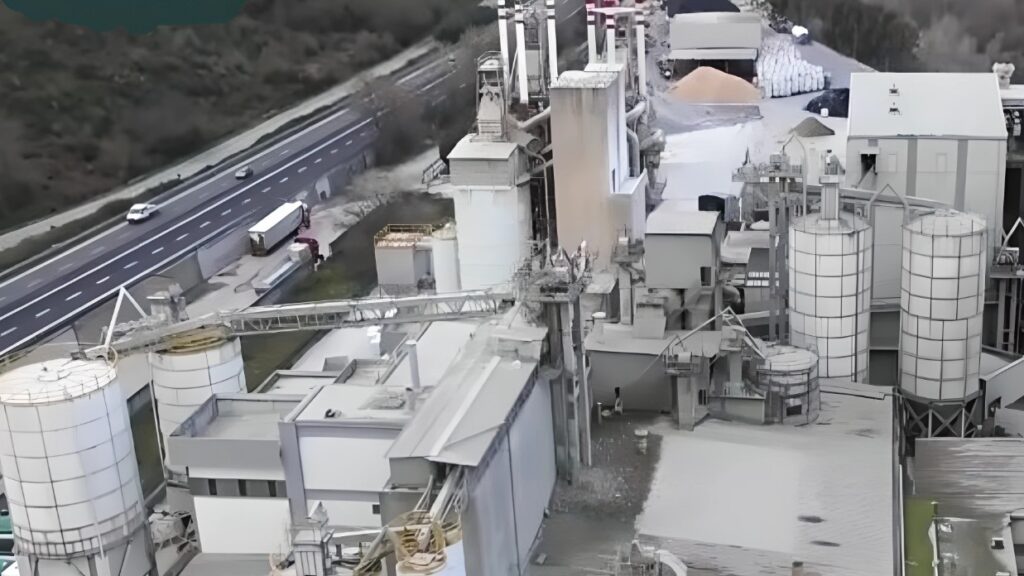
EKAN has always been attentive to environmental sustainability, it also contributes to the improvement of cement performance, while making its production cycle more efficient and potentially less expensive.
Some ideas of this strategic and important work are represented by the use of:
- Pozzolanic additives: These materials, such as activated silica or volcanic ash, can be mixed with cement to improve their strength and durability, as well as reduce clinker consumption.
- Calcium sulfates: The addition of gypsum or other calcium sulfates can control the setting time of the cement, improving operability and preventing premature hardening.
- Filling materials: Additives such as hydrated lime or blast furnace slag can be used to replace some of the clinker, reducing costs and improving mechanical properties.
- Particle size optimization additives: These agents improve particle distribution in cement, increasing density and reducing the need to use large quantities.
- Chemical additives: Products such as superplasticizers, although more commonly associated with concrete, can also be used in cement to improve workability and reduce the amount of water needed.
- Anti-clumping additives: These additives help to keep cement particles dispersed, preventing lumping and improving product homogeneity.
- Aluminum salts: These can be used to speed up chemical reactions in cement, increasing the rate of curing.