

The decarbonisation of the construction sector is no longer just about the energy efficiency of buildings, but also directly involves the materials used in production processes. In this context, low-CO₂ concrete represents one of the main technological developments for the concrete sector.
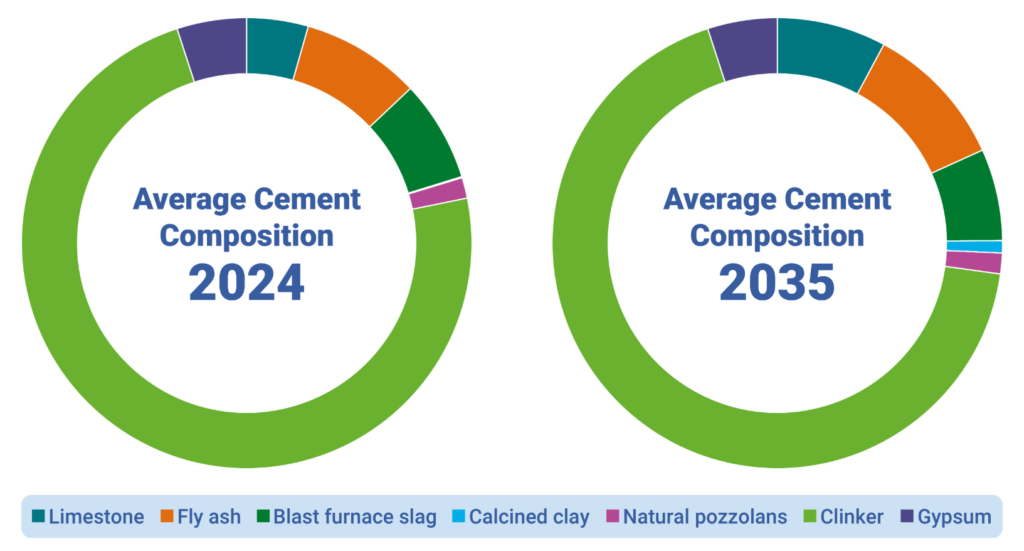
The growing diffusion of cements with reduced clinker content, additional cementitious materials and new low-carbon formulations is profoundly changing the production logic of plants. However, behind the goal of sustainability, new operational issues are emerging that require greater process control, precision and production stability.
Sustainable raw materials: new variables to be managed in concrete batching plants
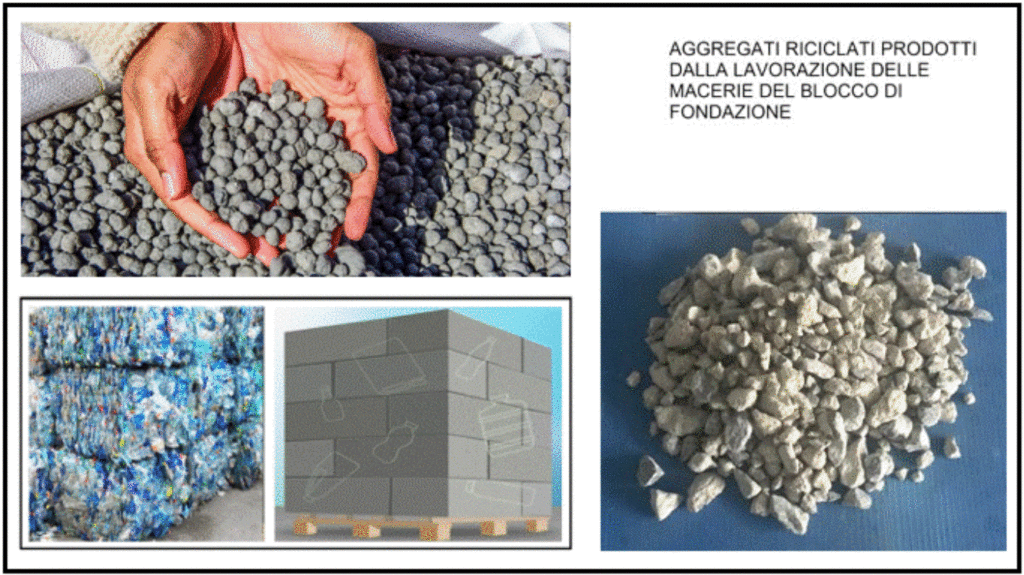
The use of alternative cements and recycled materials introduces variables that can significantly influence the behavior of concrete:
- different setting times;
- changes in workability;
- increased sensitivity to humidity;
- Less constant initial resistances.
For concrete batching plants, this means increasing the level of monitoring and optimizing additive dosing to ensure quality continuity. In this scenario, technological additives become a fundamental element to compensate for the criticalities of new sustainable mixtures: the solutions developed by EKAN support plants in the management of low carbon formulations, improving workability, dough stability and control of mechanical performance even with reduced clinker contents.
Automation and digitalization: efficiency at the service of sustainability
Sustainability depends not only on the composition of the concrete, but also on the overall efficiency of the plant. Reducing material waste, energy consumption and rework becomes essential to contain the environmental impact of production. For this reason, the sector is increasingly investing in:
- advanced automation;
- production management software;
- IoT sensors;
- real-time control of dough parameters;
- predictive maintenance.
Also in this area, the correct integration between additive chemistry and digital production control allows to obtain more stable and repeatable mixtures, reducing quality variations and raw material consumption.
The challenge of production consistency in low-carbon concrete
One of the most critical aspects of low-emission concrete concerns the ability to maintain high technical performance over time. In fact, the market requires sustainable materials without giving up:
- mechanical resistance;
- pumpability;
- durability;
- speed of implementation.
It is therefore essential for plants to be able to rely on additives that can stabilise the behaviour of the mix design even in the presence of highly variable raw materials. The technologies proposed by EKAN make it possible to optimize the performance of low carbon concrete, helping to improve fluidity, maintenance of workability and production reliability, increasingly strategic aspects in the modern concrete batching industry.
Sustainable innovation and industrial competitiveness
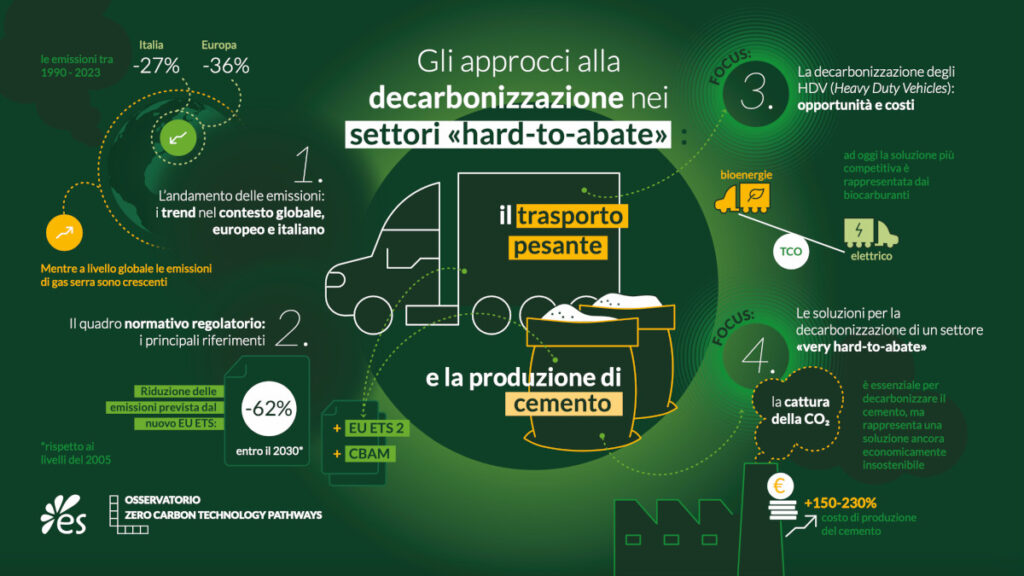
The transition to low-carbon concrete no longer represents a future prospect, but a transformation already underway within the entire construction chain. Concrete batching plants are called upon to face new technical, regulatory and production challenges, investing in technologies capable of combining sustainability and industrial efficiency.
In this path, the role of advanced additives is becoming increasingly important: not only as a performance support, but as a real tool for production optimization. Facing the new needs of the market with stability and efficiency today means choosing solutions capable of enhancing every aspect of concrete with low CO₂ emissions, translating sustainability into a real competitive advantage for concrete batching plants.