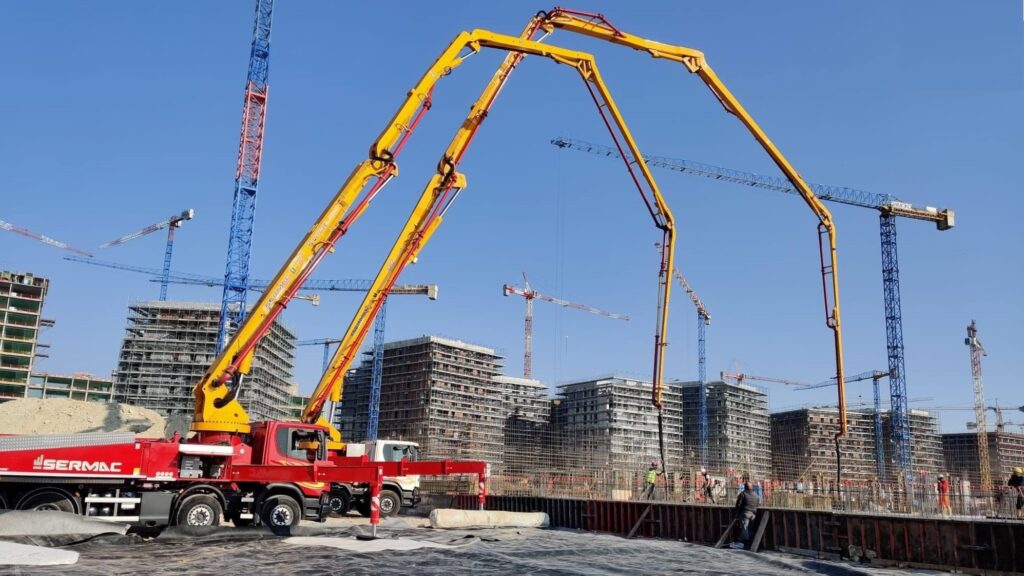


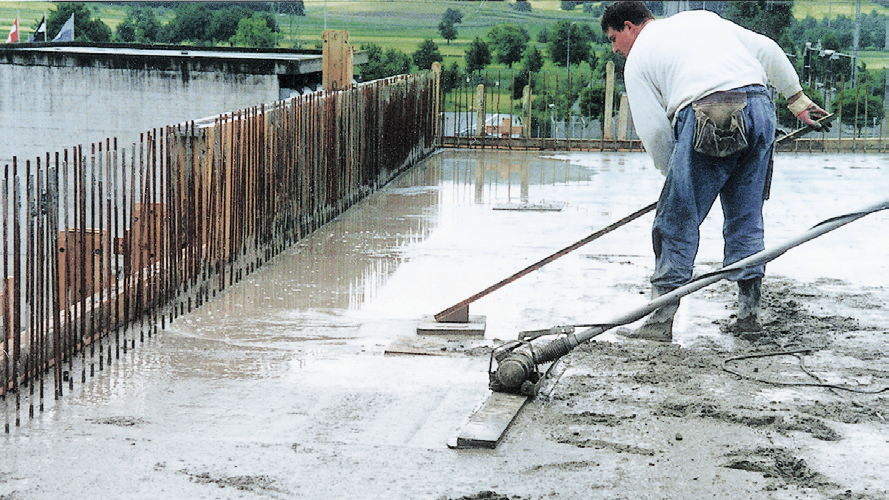
In modern concrete, one of the most requested objectives by designers, concrete batching plants and companies is to obtain mixtures with a low water/cement ratio while maintaining good workability during installation.
Reducing the water in the mixture means increasing mechanical resistance, improving the durability of the structure and limiting problems related to shrinkage, porosity and permeability. However, without proper mix design balance, too much water reduction can make concrete difficult to pump, spread, and compact. For this reason, concrete admixtures are now a key tool for optimising mix performance without compromising on-site processing.
Why the water/cement ratio is so important
The water/cement ratio (a/c) directly affects the final quality of the concrete. An excess of water can cause:
- decrease in mechanical resistance;
- greater permeability;
- increased hygrometric shrinkage;
- increased risk of cracking;
- Less durability over time.
Conversely, a lower w/c ratio results in more compact and stronger mixes, which are particularly suitable for infrastructure works, prefabrication, industrial flooring and high-performance concrete. The technical challenge is to maintain an adequate consistency without resorting to water additions on site, a practice that alters the balance of the mix and compromises the designed performance.
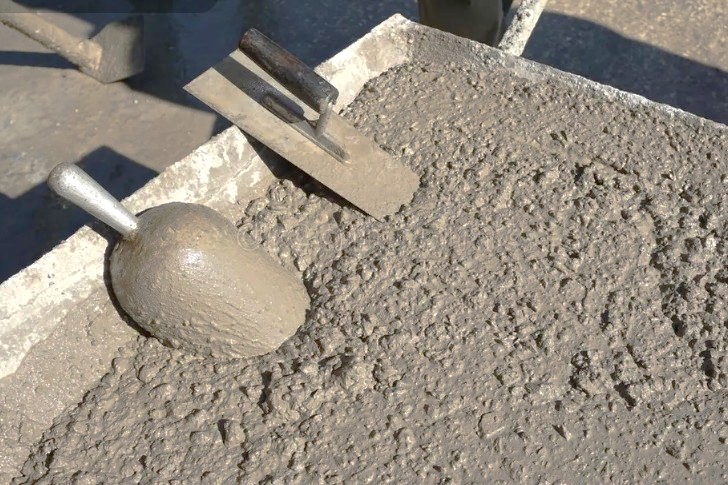
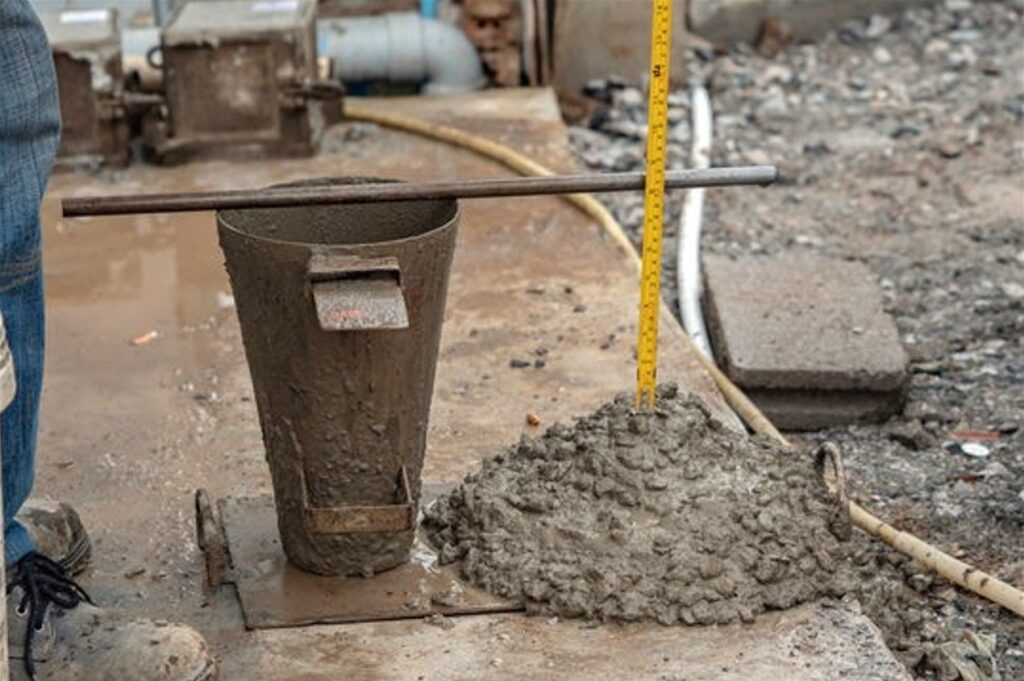
The role of fluidizing and superplasticizing additives
Fluidizing and superplasticizing additives allow you to significantly reduce the water content while maintaining high workability of the concrete. These additives work by dispersing cement particles within the mix, improving the distribution of available water and reducing internal friction between the conglomerate components.
Key Benefits of Concrete Fluidizers
- reduction of the water/cement ratio;
- better pumpability;
- greater smoothness;
- increase in initial and final resistance;
- better surface finish;
- greater homogeneity of the casting.
In the most advanced applications, the new generation superplasticizers also allow to maintain workability for extended times, a fundamental characteristic in long transports or during complex castings.
High performance and durability control
Proper use of admixtures not only improves workability, but also contributes directly to the durability of concrete. A more compact mixture with less porosity reduces the penetration of water, chlorides and aggressive agents, increasing resistance to freeze-thaw cycles and particularly aggressive environments.
This aspect is now increasingly central in the design of modern works, where durability is an essential requirement as much as mechanical resistance.
The importance of technical support in mix design
Each plant, aggregate and type of cement has different characteristics, so there is no one-size-fits-all solution for every production. The selection of the correct additive must consider:
- type of cement used;
- class of consistency required;
- transport times;
- ambient temperature;
- jet mode;
- required resistances;
- compatibility with the other components of the mixture.
To obtain truly effective results, it is essential to support the product with technical assistance and optimization of the mix design. EKAN develops concrete admixtures designed to improve workability and reduce the water/cement ratio without compromising on final performance, through research and development, laboratory tests and continuous technical support on the plant and on site, to help manufacturers and companies obtain more performing, durable and efficient concretes.
Conclusion: Optimize the water/cement ratio with the right additives
Reducing the water/cement ratio without compromising workability is no longer a compromise, but an achievable goal thanks to the use of the latest generation of fluidizing and superplasticizing additives. A careful technical choice, supported by an optimized mix design, allows you to obtain more resistant, durable and efficient concretes, in line with the needs of modern construction.