

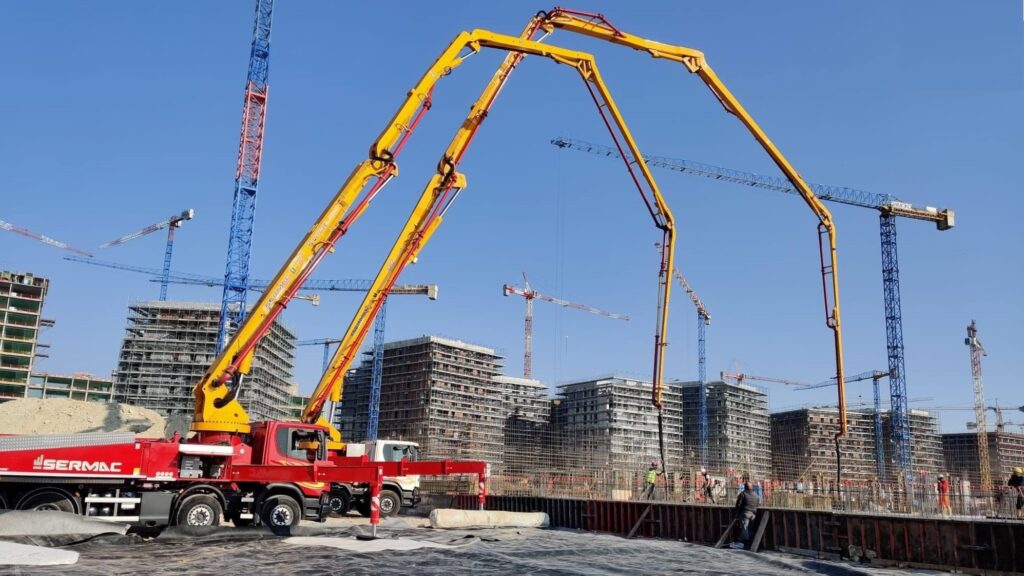
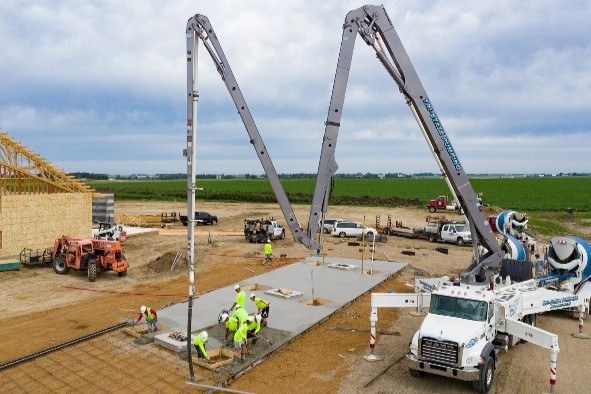
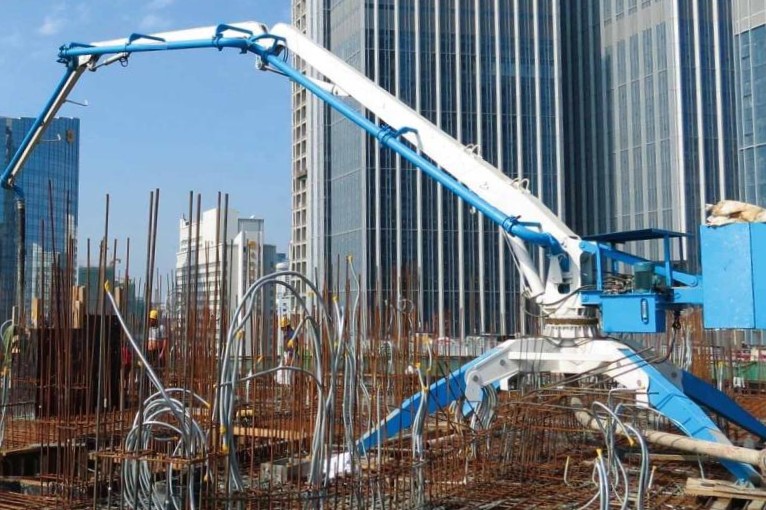
In the ready-mix concrete sector, pumping is now one of the most widely used laying methods on modern construction sites. The ability to transfer the mix even at great distances or heights allows you to speed up casting operations, improve productivity and reduce processing times. However, pumped concrete requires a very precise balance between workability, cohesion and stability of the mix.
One of the most frequent problems during pumping is concrete segregation, often accompanied by loss of consistency, blockages in the line or difficulty in laying. Situations that can compromise the final quality of the casting and generate additional costs for companies, plants and packers.
For this reason, the design of the mix design and the choice of concrete admixtures become fundamental elements to ensure pumpability, stability and constant performance throughout the production chain.
Why segregated concrete creates problems on the construction site
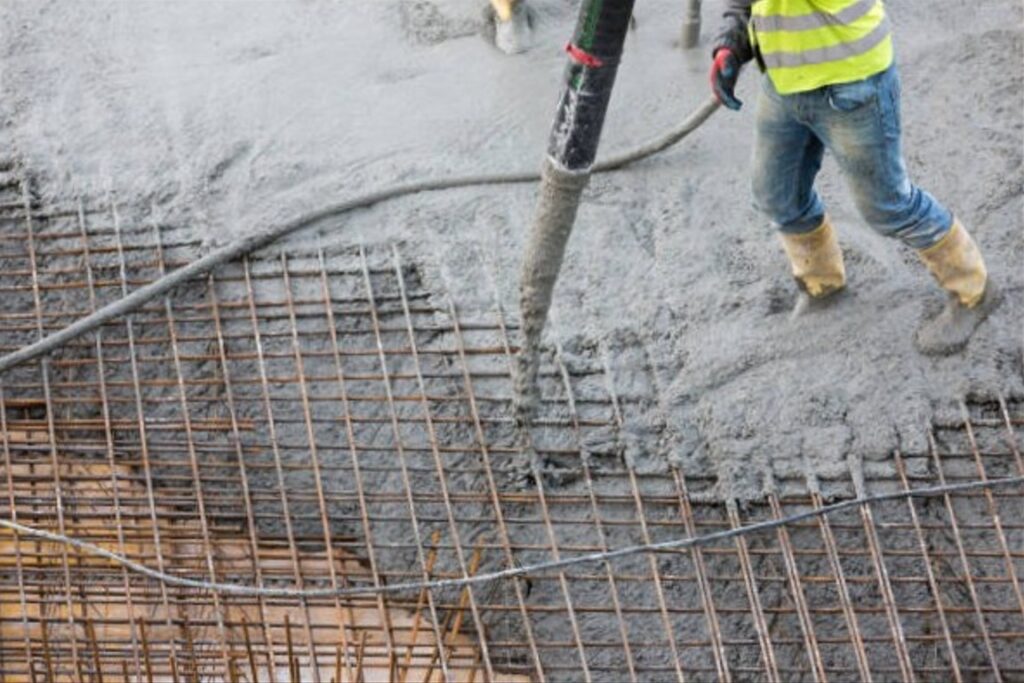
Segregation occurs when concrete components tend to separate during transportation or pumping. Heavier aggregates can settle, while cement paste and water tend to rise to the surface.
This phenomenon involves several operational criticalities:
- loss of homogeneity of the casting;
- reduction of mechanical resistance;
- increased bleeding;
- difficulty pumping;
- increased risk of voids and surface defects;
- unpredictable variations in consistency.
In pumped concrete, these problems become even more evident due to the high pressures exerted along the pipe and the mechanical stresses suffered by the mixture during transport.
The main causes of loss of texture
Slump loss during transport and pumping can be caused by multiple factors, often combined. Among the most common are:
- high ambient temperature;
- extended transport times;
- particularly reactive cements;
- insufficient quantity of ends;
- water/cement ratio not optimized;
- incompatibility between cement and additive;
- Dosages not calibrated correctly.
In many cases, the most frequent mistake is to simply increase the mixing water to recover workability. An apparently immediate solution that can however compromise the strength, durability and stability of the concrete. It is precisely in these situations that concrete admixtures take on a strategic role.
The importance of admixtures in pumped concrete
Modern additives allow for improved flowability, cohesion and workability maintenance at the same time, without increasing the water content.
Superplasticizers and stabilizing additives: a combined action
The new generation superplasticizers allow you to obtain more fluid and pumpable mixtures while keeping the water/cement ratio low. In parallel, viscosizing and stabilizing additives help control segregation, increasing the internal cohesion of the mixture.
The result is a concrete:
- more stable when pumping;
- more uniform in the casting;
- less subject to separation of aggregates;
- easier to install and compact;
- more reliable even in complex operating conditions.
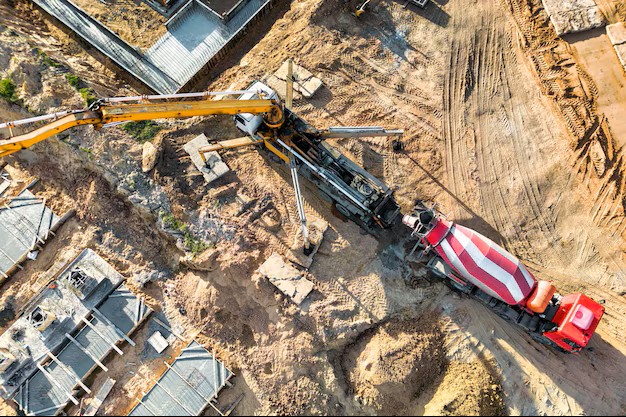
In high-distance castings or in hot periods, specific additives can also be used to maintain consistency, designed to preserve the workability of the concrete even after long transport times.
Mix design and pumpability: a fundamental balance
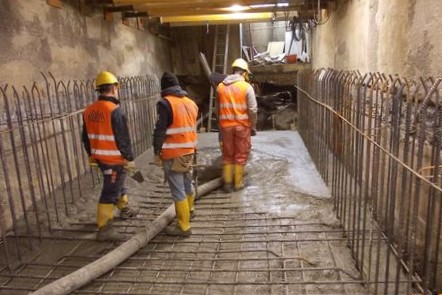
The quality of pumping does not depend solely on the additive used. The mix design must also be properly designed according to the actual operating conditions. The particle size curve of the aggregates, the content of fines, the type of cement and the correct dosage of additives directly influence the stability of the mixture.
Concrete that is too “lean” can be difficult to pump and subject to segregation. Conversely, an excessively rich paste mixture can increase shrinkage, cost, and thermal development. For this reason, each application requires specific evaluations that take into account:
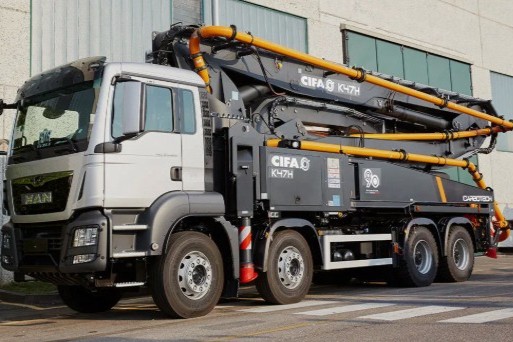
- pumping distance and height;
- diameter of pipes;
- ambient temperature;
- transport times;
- performance required at the final casting.
EKAN technology and technical assistance: the difference on the construction site
In the modern concrete sector, there are no one-size-fits-all solutions for every construction site. Every concrete batching plant and every application has different needs. To obtain reliable results, it is essential to be able to count on additives developed through specific research and testing activities, but also on technical support capable of supporting the customer in choosing the most suitable solution.
EKAN develops concrete admixtures designed to improve pumpability, stability and maintainability even in the most complex operating conditions. Through R&D activities, laboratory tests and dedicated technical assistance, we support concrete batching plants, prefabricators and companies in defining high-performance, durable and reliable mix designs.
In pumped concrete, preventing segregation and loss of consistency means not only avoiding operational problems, but ensuring consistent quality, production efficiency and greater durability of the structures over time.