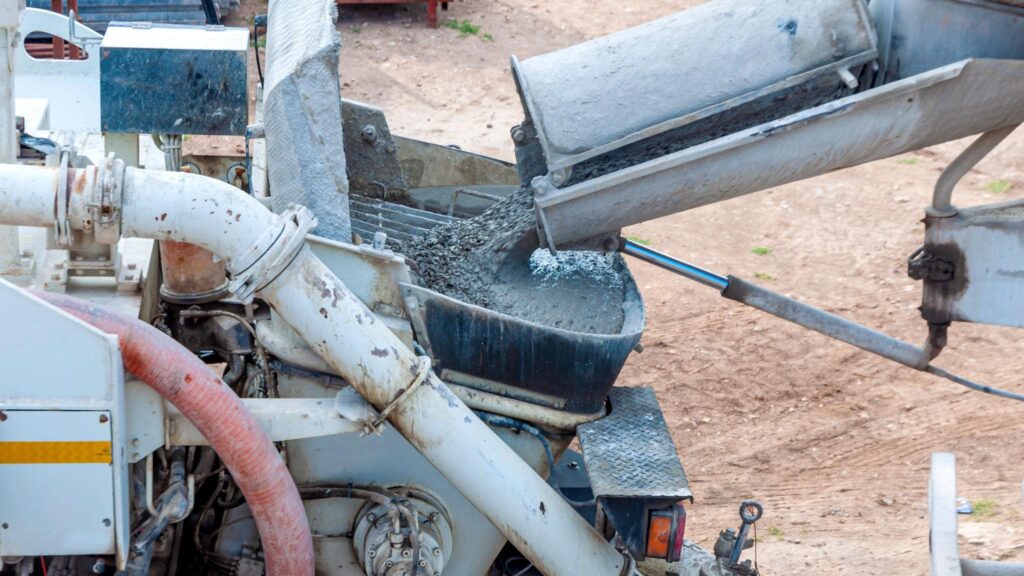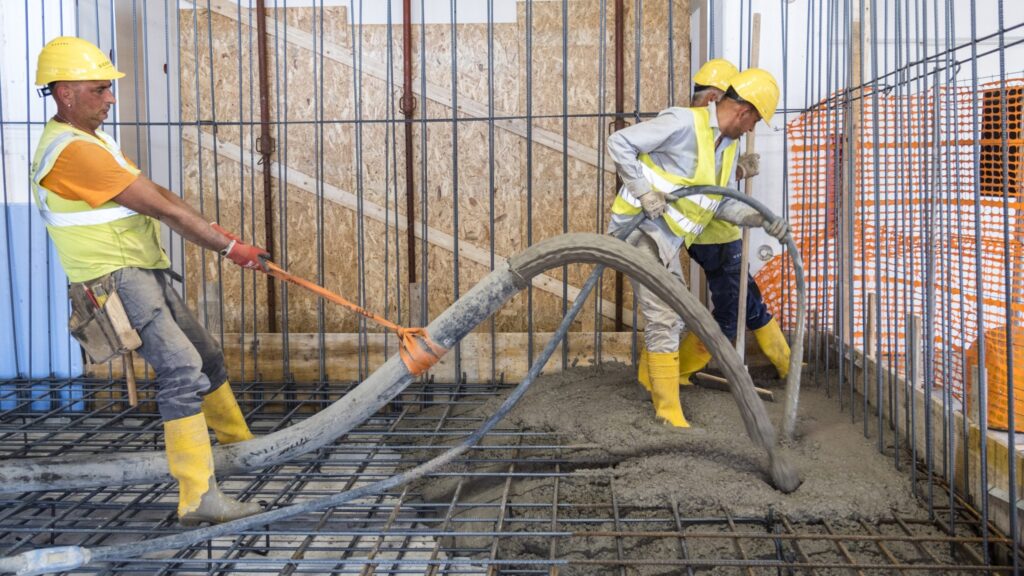


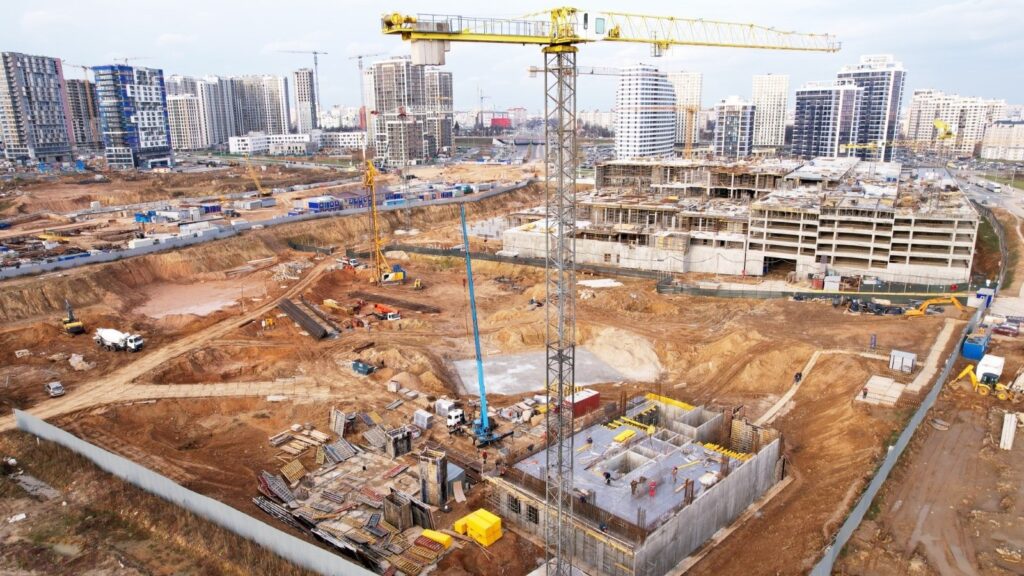
In the world of modern concrete, extended workability has become a key requirement for dealing with increasingly complex castings, long-distance transport and difficult climatic conditions. Large infrastructure works, massive slabs, concrete pumped at height, summer castings and urban construction sites with heavy traffic require mixtures capable of maintaining fluidity and homogeneity without compromising final performance.
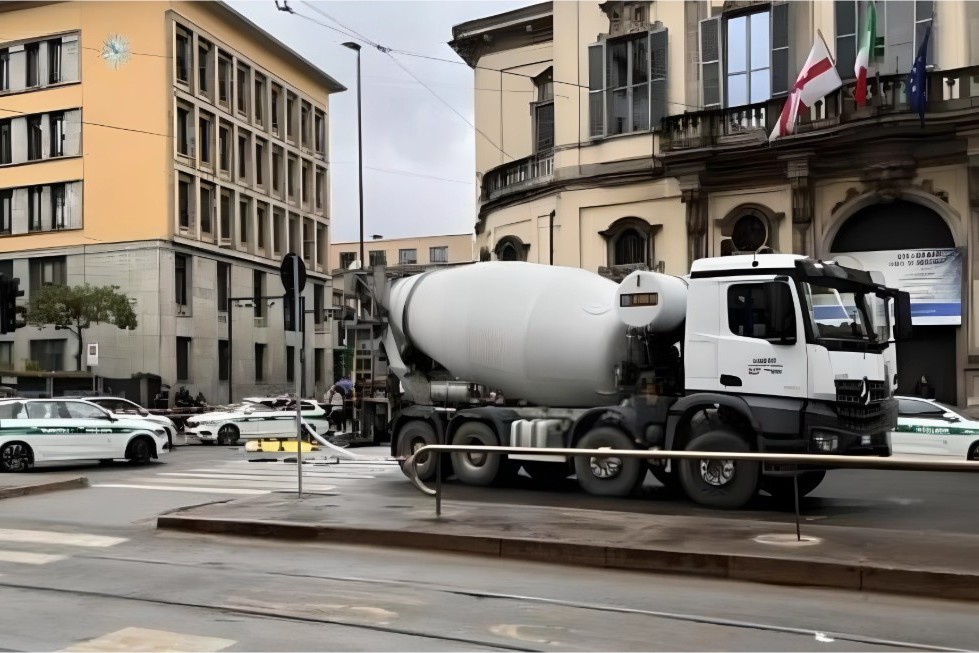
Why the prolonged workability of concrete is essential today
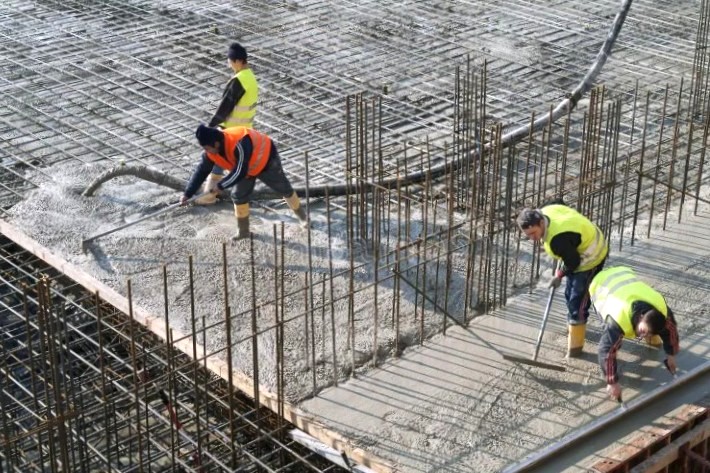
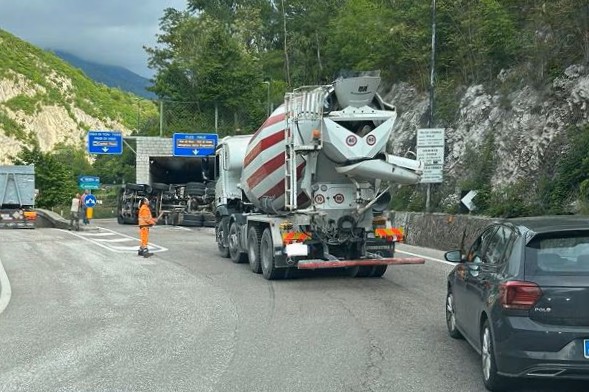
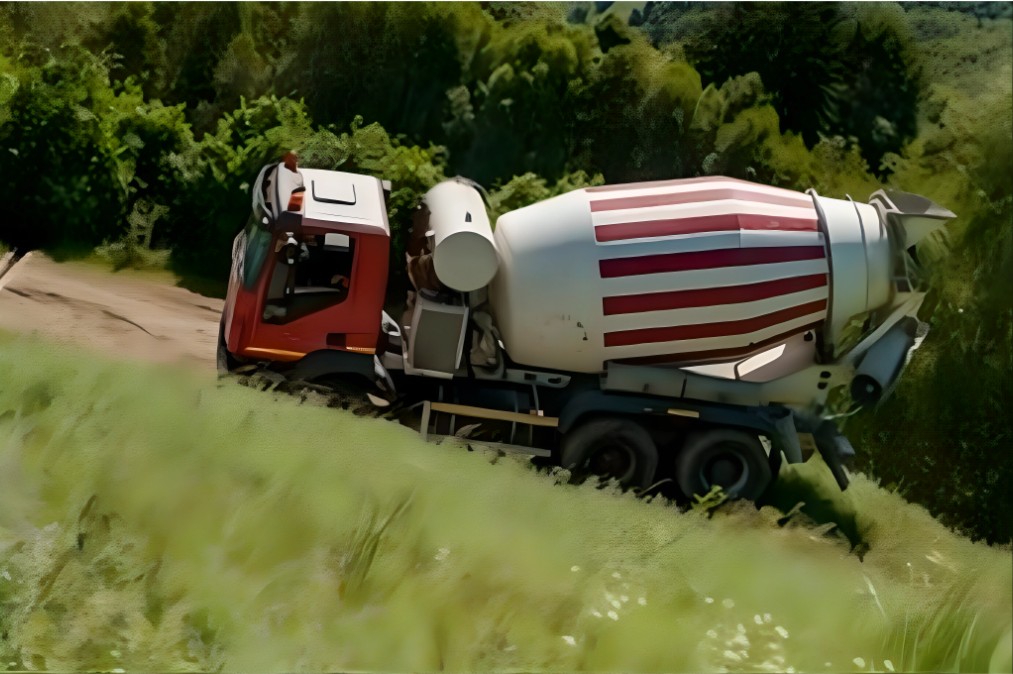
The increasing complexity of construction sites requires much longer concrete management times than in the past. Between transport, waiting on site and laying phases, the mixture must retain its rheological characteristics for hours, not minutes. Well-thought-out extended workability allows you to plan supplies more flexibly, reduce scrap and ensure consistent results even on large castings or in unfavorable weather conditions.
The main risks of loss of consistency on the construction site
One of the most frequent problems on construction sites is the rapid loss of consistency during transport or during the installation phases. When concrete loses workability too quickly, several critical issues are generated that directly affect the quality of the casting and the durability of the finished structure:
- increased risk of segregation and bleeding;
- uncontrolled addition of water directly on site, with alteration of the water/cement ratio;
- difficulty pumping and clogging of pipes;
- surface defects, cracks and irregular finishes;
- reduction of mechanical resistance and durability over time.
Superplasticizing additives: the strategic role in the modern design mix
The new generation of concrete admixtures now play an increasingly strategic role in ensuring extended workability. Advanced fluidizers and superplasticizers allow the consistency of the mixture to be maintained for longer times, while simultaneously improving the rheological stability and efficiency of the binder. The result is concrete that remains pumpable, homogeneous and easy to lay even after prolonged transport.
How to design a mix design with extended workability
The design of the mix design becomes a precise balance between several variables: transport times, ambient temperatures, type of cement, class of consistency required and expected performance on site. The selection of the correct additive, with the right dosage, makes it possible to calibrate the maintenance of workability according to the real needs of the construction site, avoiding overdoses or unpredictable behavior of the mixture.
Rheological control and stability: the true meaning of prolonged machinability
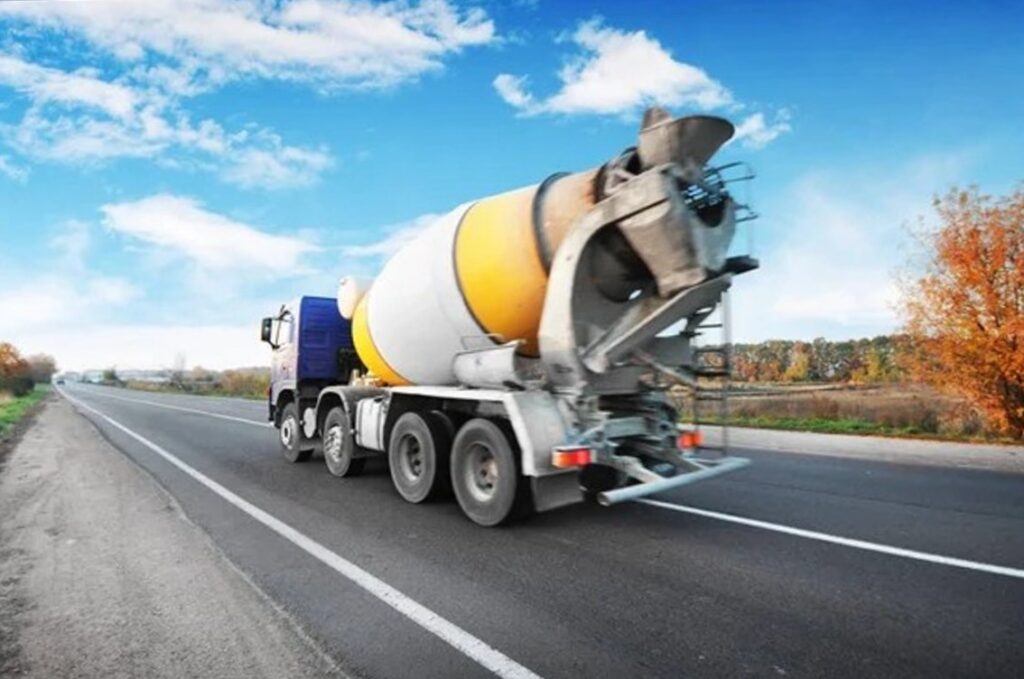
Prolonged workability does not simply mean “smoother concrete”, but control of the behavior of the mixture during all operating phases. A correct additive system allows for smoother castings, constant pumpability, better finishes and a significant reduction in defects, even on the most demanding construction sites. It is precisely this rheological control that makes the difference between a concrete that is only apparently performing and a truly reliable mixture from the mixer to the pouring.
The EKAN approach to long-workable concrete admixtures
At EKAN, we develop specific concrete admixtures designed to offer stability, rheological control and reliable performance even in the most complex operating conditions. Through on-site technical support, laboratory tests and an in-depth knowledge of cement hydration dynamics, we support concrete batching plants and construction companies in defining the most suitable additive solution for their production context.
Choosing the right additive to achieve prolonged workability means investing in quality, durability and operational efficiency: a concrete competitive advantage for those who produce concrete and for those who install it.