

Among the most frequent issues affecting fresh concrete, the loss of workability over time, commonly defined as slump loss, is certainly one of the most complex to address. At EKAN, we analyze it daily, collaborating with batching plants, construction companies, precasters, and designers to develop increasingly stable, reliable, and high-performance mixtures.
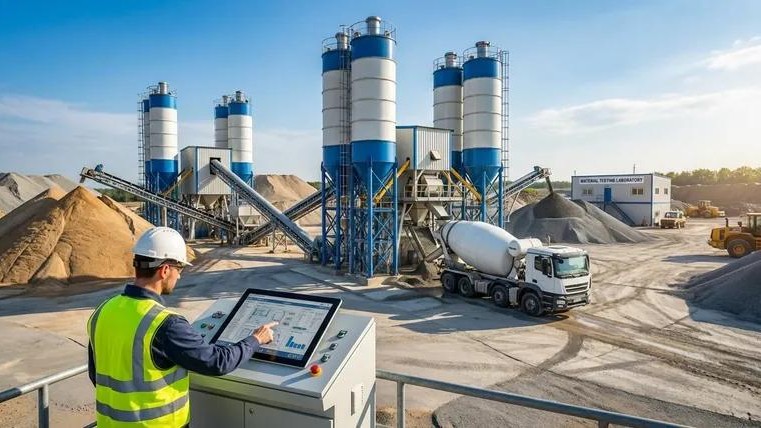
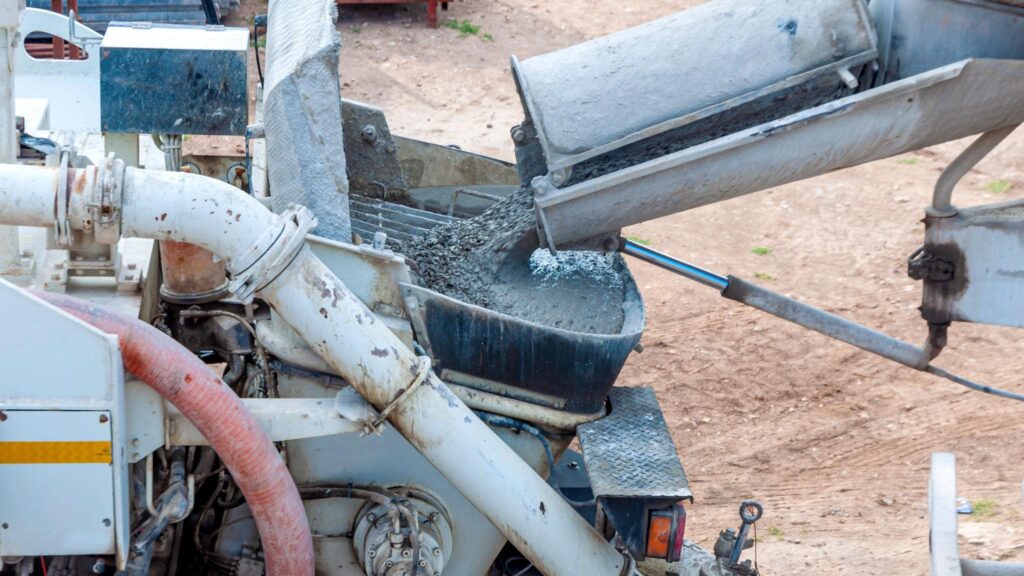
It is a situation well known to industry professionals: the concrete leaves the plant with the intended consistency, but after thirty, sixty, or ninety minutes, it becomes stiffer, harder to pump, spread, and compact. The first reaction is often to blame the superplasticizing additive. In reality, however, slump loss is almost always the result of a combination of multiple factors that must be analyzed as a whole.
The first element to evaluate is the cement. Every cement has different chemical and mineralogical characteristics: aluminate content, grinding fineness, the presence of mineral additions, and the hydration rate directly influence workability retention. Two cements belonging to the same strength class can therefore yield completely different results.
Aggregates also play a decisive role. A sub-optimal grading curve, an excessive amount of fines, variations in surface moisture, or the use of particularly absorbent sands modify the water demand of the mixture and can accelerate the loss of consistency.
Environmental conditions are added to these factors. High temperatures, wind, low relative humidity, and long transport times favor both water evaporation and the acceleration of cement hydration reactions. In the hottest periods of the year, it is therefore normal to observe a reduction in the useful working time if the mix design was not planned considering the actual operating conditions.
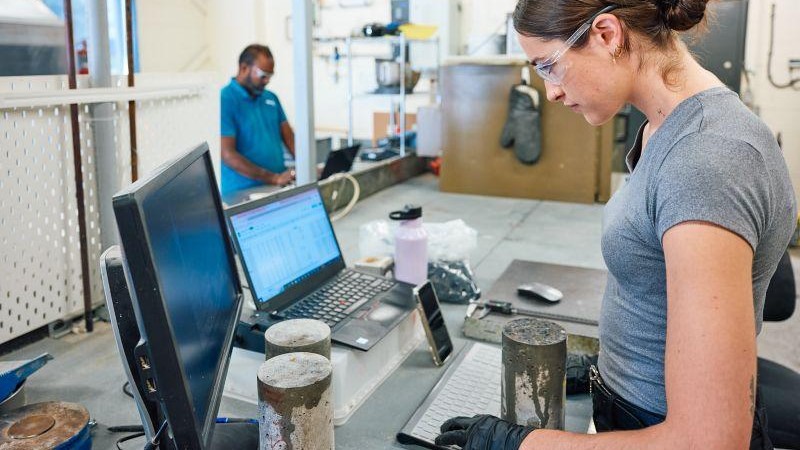
It is precisely at this stage that the value of technical experience emerges. At EKAN, we do not just propose an additive: we analyze the behavior of the entire mixture. Every formulation is evaluated considering the characteristics of the cement, aggregates, mixing water, transport times, casting methods, and environmental conditions. Only through this analysis is it possible to identify the most suitable additive technology, avoiding standard solutions that often only seemingly solve the problem.
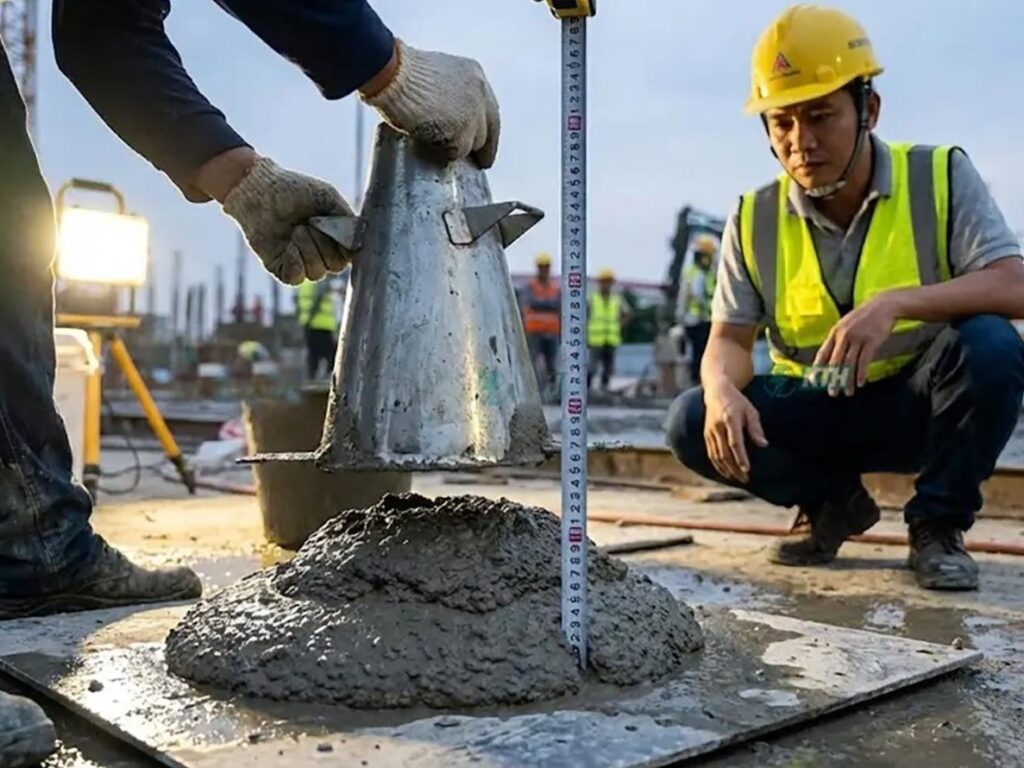
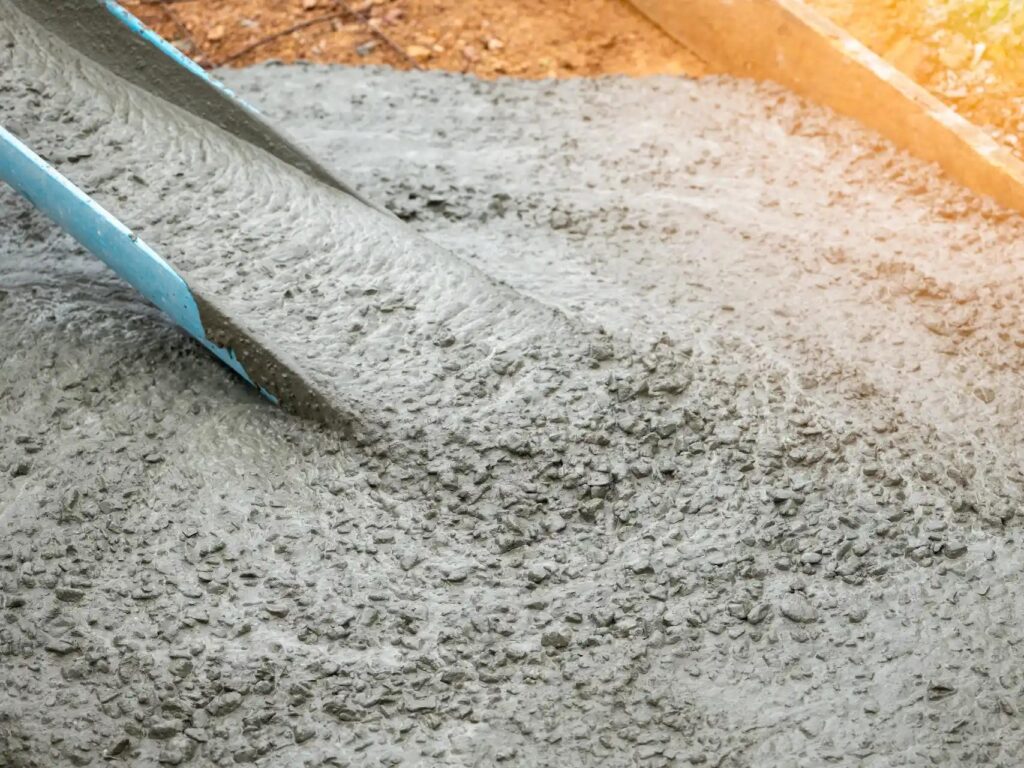
Naturally, the choice of additive also plays a fundamental role. Not all superplasticizers are designed to guarantee the same workability retention. Some prioritize a strong initial water reduction, while others are specifically developed to maintain consistency during long transport times or in particularly challenging climatic conditions. For this reason, EKAN technicians design the most suitable additive solution for the customer’s actual production needs, selecting the most effective technologies based on the required performance.
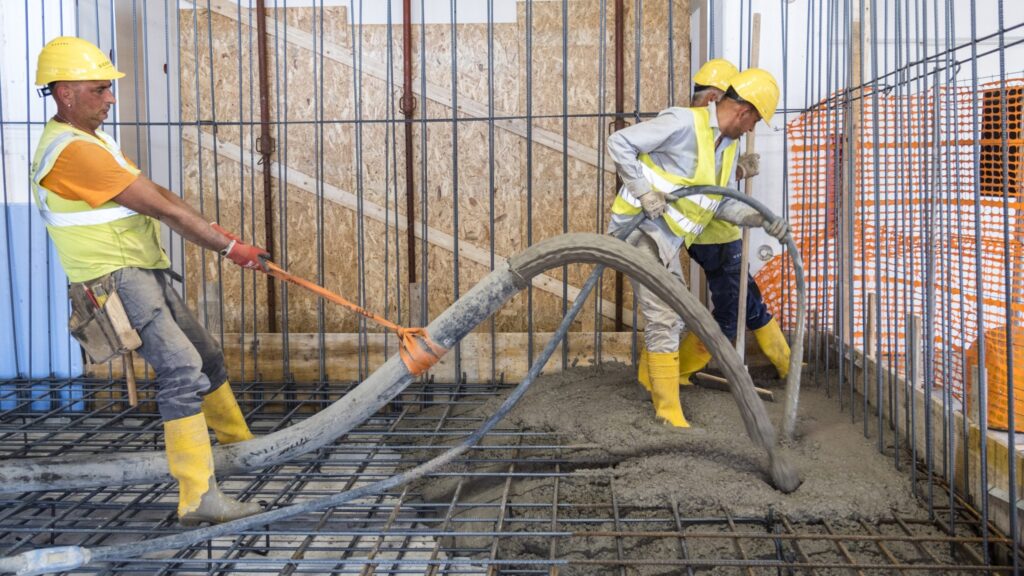
A still too widespread error consists in recovering workability by adding water directly into the truck mixer. This practice modifies the water/cement ratio and can compromise mechanical strength, durability, impermeability, surface quality, and concrete uniformity, with the risk of generating disputes regarding the finished work.
The truly effective solution, instead, consists in addressing the causes rather than the effects. This is the approach that EKAN makes available to its customers daily: designing the behavior of the concrete even before production, through laboratory tests, mix design verifications, technical assistance, and the targeted selection of the most suitable additives.
Today’s latest-generation additives allow for high-precision control of both initial fluidity and its evolution over time. However, no additive alone can compensate for an incorrectly designed mixture or inadequately controlled production conditions.
Every slump loss has a cause. EKAN’s task is not simply to provide an additive, but to identify, understand, and solve it. Because the real difference lies not in selling a product, but in providing expertise, research, and technical assistance capable of tangibly improving the quality, reliability, and durability of concrete.