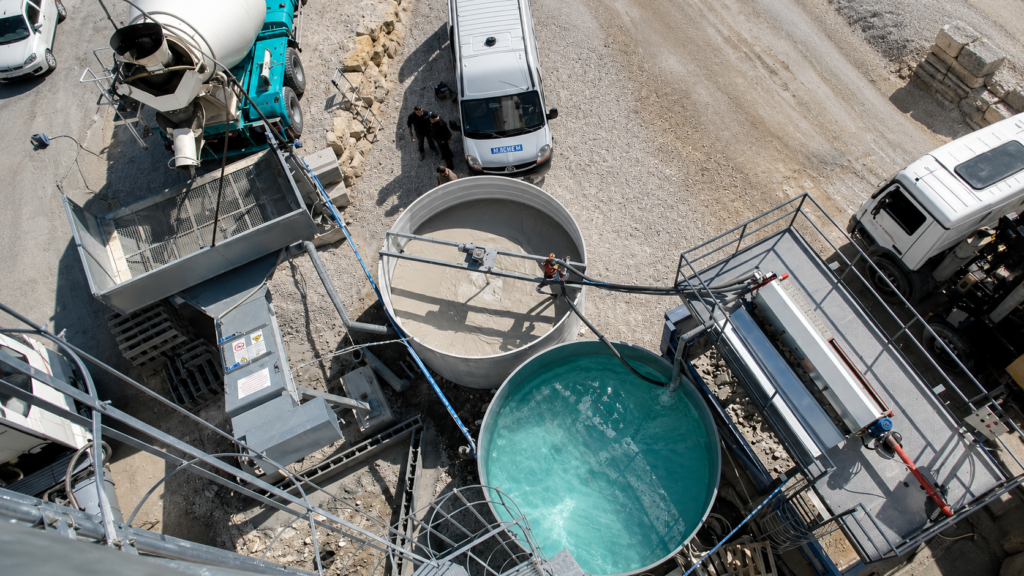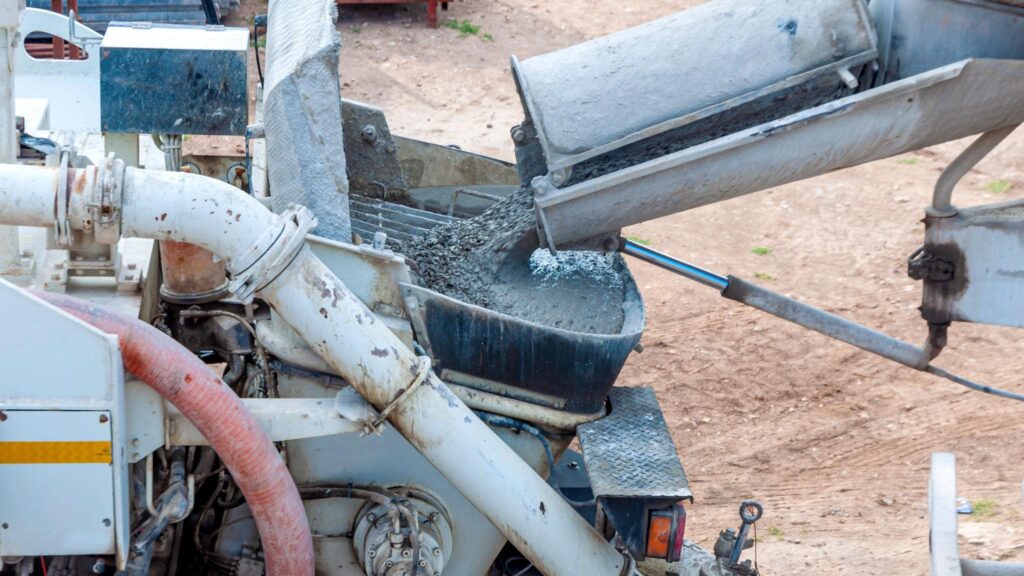



The world of concrete is going through a silent but profound transformation. With the introduction of cements compliant with CAM (Minimum Environmental Criteria), the traditional paradigm changes: less clinker, more alternative materials, greater attention to environmental impact. In this scenario, sustainable concrete admixtures are no longer simple correctors, but become real design tools.
Cementi CAM: what is really changing
CAM-compliant cements are distinguished by some fundamental characteristics compared to traditional binders:
- reduced clinker content;
- greater use of recycled or added materials (fly ash, blast furnace slag, pozzolans);
- greater performance variability;
- Slower hydration kinetics.
These changes, while reducing the environmental footprint, also introduce new operational criticalities:
- lower initial resistances;
- less stable workability over time;
- greater sensitivity to the water/cement ratio.
It is precisely in this context that the role of additives becomes central.
Concrete admixtures: from support to strategic lever
With CAM cements, the choice of additive is no longer standardized: it becomes a real design decision. Each family of additives takes on a specific role in ensuring high performance and durability.
Superplasticizers
They are essential to ensure workability even with low water/cement ratios. The most common are based on polycarboxylates (PCE), capable of compensating for the lower reactivity of many low-clinker cements.
Setting Retardants
They allow you to manage mixtures in which mineral additions affect setting times in an unpredictable way, improving control during the casting phase.
Curing accelerators
Essential when it is necessary to recover initial resistance, especially in prefabrication or in cold weather conditions.
Aerants
They contribute to durability, particularly in freeze-thaw cycles, although their dosage becomes gentler in complex cementitious systems.
Viscosity Modifier Additives (VMAs)
Indispensable in self-compacting concretes (SCCs), they help to stabilize mixtures rich in fines and alternative materials.
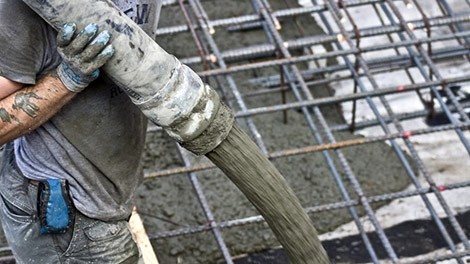
The knot of compatibility between additive and cement
One of the most critical aspects in the formulation of sustainable concretes is the compatibility between additive and cement. Mineral additions can interfere with the chemical action of additives:
- fly ash can absorb part of the superplasticizer;
- some systems require higher dosages;
- there may be phenomena of rapid loss of workability (slump loss);
- abnormal delays in taking are possible.
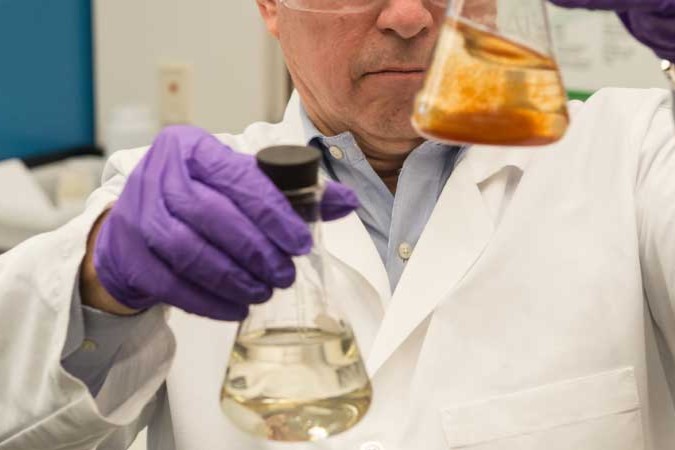
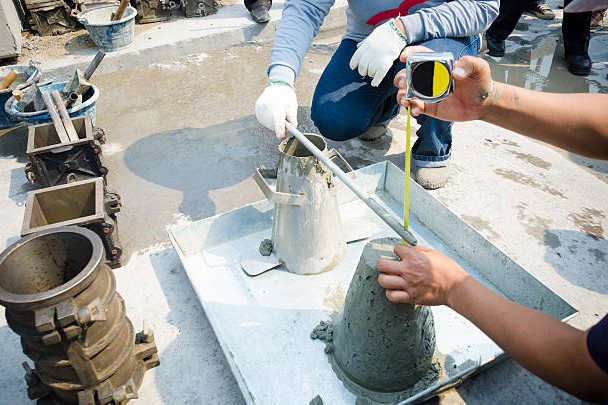
For this reason, preliminary laboratory tests, the optimization of the mix design and the development of tailor-made solutions designed for each specific production need become essential.
CAM and sustainability: the role of additives in green building
The Minimum Environmental Criteria impose a broader vision of sustainability, which includes:
- reduction of CO₂ emissions;
- use of recycled materials or industrial by-products;
- traceability of components.
In this context, admixtures must also evolve: they must be compatible with environmental objectives, not compromise the durability of concrete and contribute to the stability of performance over time. Durability, in fact, is one of the pillars of sustainability: a work that lasts longer is also a work with a lower environmental impact.
From product to process: a new concrete culture
With CAM cements, the entire design approach changes: additives are no longer optional, they become material engineering tools and require more advanced design skills. The focus shifts to increasingly technical areas:
- optimized mix design;
- rheological control of mixtures;
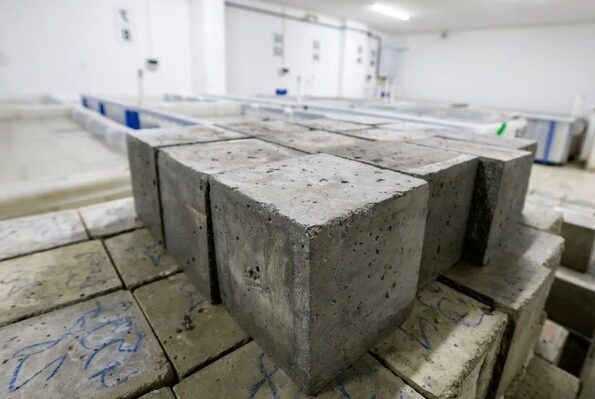
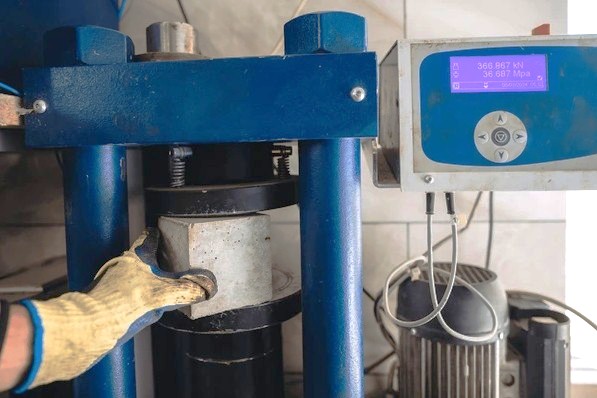
- verification of resistance over time;
- management of performance variability.
EKAN’s commitment to the sustainable concrete of the future
Cement has changed, and with it the entire concrete ecosystem must change. Sustainable concrete admixtures are now one of the key elements in making the transition to greener mixtures possible, without compromising performance. It is no longer a question of whether to use them, but of understanding how to integrate them intelligently into the production process.
EKAN, with a long and prestigious know-how and a vision fully aligned with the challenges of the future, interprets this evolution as a strategic opportunity: the company invests significantly in research and development to study and optimize increasingly high-performance additives for new cements, with the aim not only of accompanying the change, but of exceeding current standards and actively contributing to the definition of sustainable concrete in the future. tomorrow.